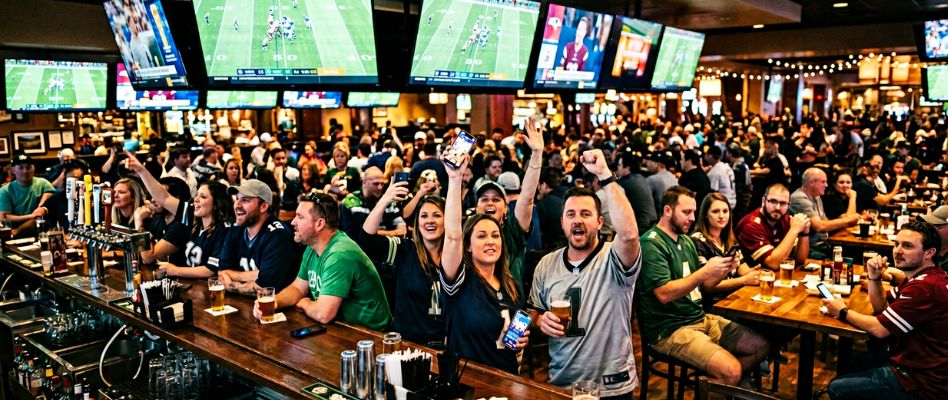
The World Cup is live. Football season is eight weeks away. And on any given weekend, a significant share of the guests walking through your doors are checking scores on their phones, arguing about last night’s game, or mentally starting to plan their Sundays around kickoff.
That’s not a marketing insight. That’s just your guest list.
The question is whether your marketing program is built to meet those guests where they already are, or whether sports is something you acknowledge only once a year, when the Super Bowl rolls around, and then largely ignore the rest of the time.
TL:DR
Sports fans are already in your casino — they’re just not being marketed to as sports fans. Regional operators who treat sports as a weekly cadence rather than an annual tentpole event build stronger visitation habits, capture better data, and create a guest experience that goes beyond the floor. Football season is eight weeks away, which is exactly enough time to build something real if you start now.
For most regional operators, it’s the latter. And that’s a missed opportunity — not because you need a stadium sponsorship or a sports betting integration to participate, but because the fan energy is already on your property. You have to know what to do with it.
Free Download: Marketing Team Pulse Check
Five questions. Honest answers only. Know where your team really stands before the second half of the year starts.
Download Now →
The Real Problem Isn’t Budget. It’s Calendar Thinking.
Here’s the mistake most regional casinos make with sports: they treat it like an event instead of a season.
Daniel Kustelski, founder and CEO of Chalkline who has also been a Casino Marketing Boot Camp coach, puts it plainly: “Many regional casinos treat sports like a handful of isolated, tentpole events rather than a continuous, weekly cadence. They miss the habitual nature of sports fandom. A college football Saturday or an NFL Sunday isn’t just a game; it’s a massive 8-hour viewing window.”
That reframe matters. Sports fans are not occasional visitors to the sports experience. They show up every week, on schedule, with the same rituals and the same loyalty. If your casino can become part of that ritual — the place where they watch the game, submit their picks, have the conversation — you’ve created something promotions alone can’t buy: habitual visitation.
That’s the shift. From tentpole to cadence. From event to ritual.
Free Download: Casino Marketing Calendar Worksheet
A monthly planning template that turns your marketing calendar from a schedule into a strategy.
Download Now →
You Don’t Need a Big Budget. You Need a Better Strategy.
The properties that do sports marketing well aren’t outspending anyone. They’re out-thinking them.

Kustelski frames it this way: “Regional operators should invest in owning the game-day experience on their own property. It’s about capturing the second-screen experience while fans are already on the property, turning passive TV viewers into active, trackable participants.”
Read that last part again: active, trackable participants. That’s the goal. Not just putting fans in seats in front of a screen but connecting them to your property in a way that generates data, drives loyalty, and gives your marketing team something to work with.
That means watch parties that require an RSVP. Prediction games that capture an email address. Promotions tied to game outcomes that are specific enough to feel like they were designed for a fan — because they were.
The Pick’em Game: A Simple Tactic With Serious Upside
If you’re looking for one tactic to test right now, Kustelski has a clear recommendation — and yes, he’ll be the first to acknowledge his bias toward gamification.
A free-to-play pick’em game, built on your website or in your casino app, does several things at once. It gives sports fans a reason to engage with your property before they’ve even walked in the door. It gives your team a data-capture mechanism that doesn’t feel like one. And it gives you a reason to follow up with a result, a reward, a next week’s game.
The mechanics are straightforward: require an email address or phone number to submit picks, and offer a modest immediate reward for participating — a $10 food and beverage credit or a chance at free play. As Kustelski describes it, this “instantly gamifies the viewing experience, connects the sports fan to the property’s loyalty system, and gives the marketing team fresh, actionable data.”
QR codes at bar seats, restaurant tables, and lounge areas on the floor drive participation without requiring additional staff. The sports bar becomes a lead generation environment, not just an amenity.
And the data you collect doesn’t just live in a pick’em game. It integrates with your CRM, informs your segments, and serves as the foundation for sports-specific campaigns that follow those guests over time.
Think Like a Top-of-Funnel Marketer, Not an Amenity Manager
This is the distinction Kustelski draws between casinos that get sports marketing right and those that don’t: “The winners treat sports marketing as a top-of-funnel customer acquisition and data capture tool, not just an operational amenity. The casinos doing this well aren’t just putting games on big screens and hoping fans eventually wander over to the slot floor at halftime.”
An operational amenity is passive. You install the screens, you put the games on, you hope. Top-of-funnel marketing is active. You build a sports fan segment. You run campaigns to that segment. You track what those guests do on the floor. You measure lifetime value over time and find out whether your sports fan looks more like your best database player or your lapsed one.
That distinction changes every decision. It changes how you staff the sports bar. It changes how you train your team to engage a guest who’s watching the game. It changes what you offer, when you offer it, and how you follow up.
It also gives you something to show your GM when budget conversations come around.
Where to Focus Right Now
The NBA Finals and the World Cup are live. Both are real opportunities for watch parties, pick’em games, and in-the-moment engagement. But if you’re going to invest your team’s time and energy strategically, Kustelski is clear about where the bigger return is:
“My recommendation to most casinos is to really focus time and energy on football season. They have two months to get the strategy right. ROI on time spent is much better.”
Football season is a weekly cadence for five months. It’s the single best recurring window regional casinos have for building visitation habits around sports. College football Saturdays, NFL Sundays, Monday Night Football — those are eight-hour engagement windows that repeat, week after week, for the better part of the year.
Two months go fast. But it’s enough time to build something real — if you start now. A pick’em game. A weekly watch party structure. A sports fan segment in your database. A promotional calendar that runs with the season instead of scrambling to catch up once it’s already underway.
The casinos that start building now will go into September with a plan, a segment, and a game-day experience worth coming back for. The ones that wait until it’s already football season will spend those first few weekends improvising — and the ones that wait for the Super Bowl will throw one party and wonder why it didn’t move the needle.
Key Takeaways
- Sports fans represent a high-value, identifiable guest segment that most regional casinos aren’t actively marketing to as a distinct audience.
- The biggest sports marketing mistake regional operators make is treating sports as isolated tentpole events (Super Bowl, March Madness) instead of a continuous weekly cadence.
- A free-to-play pick’em game is a low-cost tactic that simultaneously gamifies the guest experience, captures email and phone data, and connects sports fans to the property’s loyalty system.
- The goal of sports marketing isn’t just to fill the sports bar — it’s to turn passive viewers into active, trackable participants who can be retargeted and cross-sold over time.
- Regional casinos have approximately eight weeks before football season begins — enough time to build a pick’em game, segment sports fans in the CRM, and build a weekly promotional cadence.
- Marketing to sports fans is a top-of-funnel acquisition and data strategy, not just an amenity decision.
Questions to Ask Before Football Season Starts
Football season doesn’t wait for you to feel ready. Answer these now.
- Do you know which guests in your database are sports fans? What teams do they follow? Could you build a segment around them today?
- Are your promotions tied to the sports calendar, or are they running on a schedule that has nothing to do with what’s happening in your market every weekend?
- Is your sports bar set up to capture guest data, or does someone walk in, watch the game, and leave with no connection to your property’s marketing ecosystem?
- When a guest mentions their team to a team member, does your staff know how to turn that moment into something? A conversation, a promotion, a reason to come back for the next game?
- What would it take to get a pick’em game live before September? Who owns that project?
None of these require a major budget commitment. They require a decision about whether sports fan energy is something you’re going to market to actively, or something you’re going to keep treating as a backdrop.
The fans are already there. The question is what you’re doing with them.
FAQs
How can a regional casino market to sports fans without a big sponsorship budget?
Regional casinos don’t need a stadium naming deal to leverage sports fan energy. The most effective tactics — pick’em games, watch parties, game-day promotional continuity — are low-cost and high-engagement. The key is treating sports as an ongoing marketing strategy rather than a one-time event, and using the sports bar environment as an active data capture and guest engagement tool rather than a passive amenity.
What is a pick’em game and how does it work for casino marketing?
A pick’em game is a free-to-play interactive experience where guests predict game outcomes in exchange for a small reward — typically a food and beverage credit or free play entry. Built on the casino’s website or app and promoted via QR codes on the floor, it gamifies the sports viewing experience, captures guest contact information, and connects sports fans to the property’s loyalty ecosystem. The data collected feeds directly into CRM segmentation and future marketing campaigns.
How should regional casinos prepare their sports marketing strategy for football season?
The most important step is starting early — ideally six to eight weeks before the season begins. That window is enough time to build a pick’em game, create a sports fan segment in the database, design a weekly watch party structure, and develop a promotional calendar that runs alongside the season rather than scrambling to catch up once it starts. Operators who go into September with a plan will spend the season building guest relationships; those who wait will spend it improvising.
What’s the difference between treating sports as an amenity versus a marketing strategy?
An amenity approach puts screens on the wall and hopes sports fans wander onto the floor at halftime. A marketing strategy identifies sports fans as a distinct guest segment, builds campaigns targeted to that segment, captures and uses data from sports-related interactions, and tracks the lifetime value of sports-first guests over time. The first approach is passive. The second drives measurable behavior change and gives the marketing team something to show for it.
Which sports events should regional casinos prioritize for marketing?
Rather than focusing on individual tentpole events, regional casinos get the best return by building around recurring weekly windows — NFL Sundays, college football Saturdays, and Monday Night Football. These are consistent, multi-hour engagement opportunities that repeat for months. Football season offers the strongest ROI on marketing investment for most regional operators. Near-term opportunities like the NBA Finals and the FIFA World Cup are worth activating around, but building a durable football season strategy delivers more sustained visitation impact.
Recent Comments